Bass Guitar Tonewoods: A Quick Guide

Tonewood is one of the most common but also controversial topics when discussing not just bass guitars, but any type of guitar, whether electric or acoustic.
It’s widely accepted that tonewoods play a huge role in shaping the sound of an acoustic guitar. But when it comes to naturally quieter instruments like electric and bass guitars which rely on external amplification, the debate gets a bit more heated.
The reason is simple: in electric guitars and most bass guitar types, it’s the pickups (electronics in general), strings, and amplifier that have the biggest influence on tone.
However, that doesn’t mean tonewood doesn’t matter. While its impact on overall tone might be minimal, it still plays a big role in a bass guitar’s weight, durability, feel, and even appearance.
In this guide, we’ll take a look at the most popular bass guitar tonewoods and break down their characteristics and purpose.
Why Tonewood Affects Bass Guitar Sound and Feel
To answer this properly, we have to take a quick dive into dendrology (the study of trees).
Not all trees are created equal, and even within the same species, their characteristics can vary depending on the environment they grow in. Traits like hardness, density, flexibility, grain structure, moisture, age and overall weight all differ from tree to tree.
These variations directly influence the sound the wood produces, which brings us back to bass guitars.
Tonewoods are generally divided into two main categories: softwoods and hardwoods. Softwoods tend to offer a warmer, more responsive tone, while hardwoods usually provide a brighter, more articulate sound with stronger projection.
Tonewood also plays a role in other important aspects of the bass like sustain, weight, smoothness/rigidness and overall feel. All of these factors contribute to the bass guitar’s playability and response.
Tonewood and Bass Guitar Construction
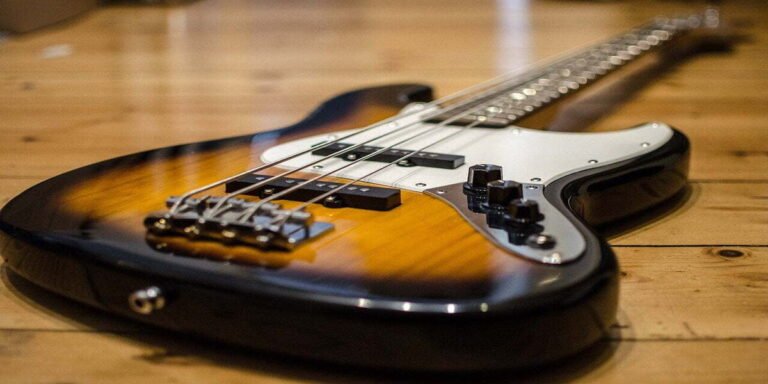
In bass guitars, tonewood is used in three main areas: the body, neck, and fretboard (also known as the fingerboard).
Each part often uses a different type of wood, depending on its physical and tonal properties. For example – the body and fretboard are usually made from different woods, while the neck tends to serve as the middle ground, often combining characteristics of both.
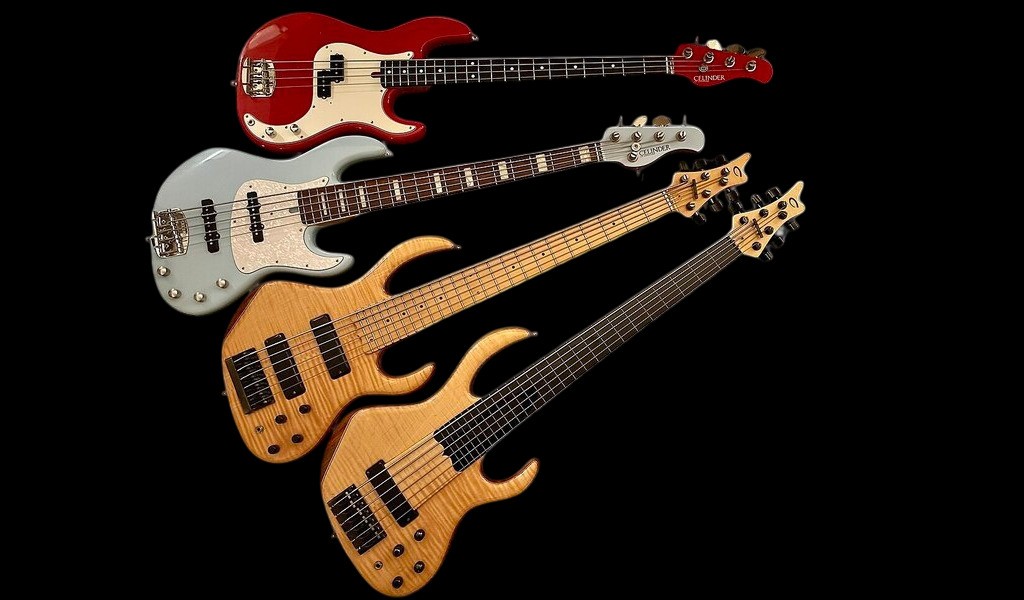
Some bass guitars are made entirely from a single type of wood, while others use a mix of woods for different parts. Multi-wood construction can offer a unique blend of tone, feel, and appearance. On the other hand, single-wood basses are generally more expensive due to the more delicate and demanding manufacturing process.
That said, more complexity doesn’t always mean better. For instance – if you pair a lightweight body with a heavier neck, it can throw off the instrument’s balance and make it awkward to play.
Now let’s take a look at the most popular tonewoods used in bass guitars and what makes each one stand out.
Most Common Bass Guitar Tonewoods
These are the most popular types of tonewoods used in the construction of bass guitars. Each brings its own balance of tone, weight, feel, and visual appeal.
- Alder – Usually used for bodies, alder is a medium-weight hardwood with a balanced, slightly warm tone that emphasizes mids and smooth highs. It offers moderate sustain, a fine grain pattern, and is mid-range in cost
- Ash – Commonly found in bodies, especially swamp ash which is lightweight, it provides a bright, snappy tone with strong upper mids and excellent sustain. It features an open grain pattern that often requires finishing and ranges from mid to high cost
- Mahogany – Used for bodies and necks, mahogany is a heavy hardwood known for its warm, thick tone emphasizing lows and low mids. It has excellent sustain, a smooth feel, and a rich dark grain, generally mid to high in price
- Maple – Popular for necks and fretboards, maple is a heavy wood with a bright, punchy tone that highlights high mids and treble frequencies. It sustains well, has a tight grain, and is affordable to mid-range in cost
- Basswood – Mostly for bodies, basswood is lightweight and soft, producing a warm, smooth tone with mellow mids and slightly muted highs. It has average sustain, a very light grain, and is low cost but less durable
- Rosewood – Typically used for fretboards, rosewood is medium to heavy with a warm, rich tone focusing on lows and mids. It offers good sustain, a smooth, oily feel, dark tight grain, and sits mid to high in price
- Wenge – Found in necks and fretboards, wenge is heavy and dense, delivering a dark, growly tone with emphasis on low mids and very good sustain. Its coarse, open grain gives a textured feel, and it is mid to high cost
- Ebony – A high-end fretboard choice, ebony is heavy with a bright, crisp tone that enhances highs and upper mids. It provides excellent sustain, a smooth fast feel, and features a tight, dark grain
- Koa – Used for bodies and tops, koa is medium weight with a warm, balanced tone that combines sparkle and sustain. Known for its beautiful figured grain, koa is a premium wood usually found on higher-end instruments
- Bubinga – Often used in bodies and necks, bubinga is a heavy wood with a bright, punchy tone emphasizing upper mids and highs. It has excellent sustain, a dense grain pattern, and is considered a higher-cost option
- Poplar – Typically a body wood, poplar is lightweight and produces a balanced but slightly soft tone with good midrange presence. It has moderate sustain, a smooth grain, and is generally low cost
- Walnut – Used for bodies, walnut is medium to heavy with a warm, rounded tone focusing on mids and lows. It offers good sustain, a smooth texture with a straight to figured grain, and falls in the mid-range price category
- Pau Ferro – Popular for fretboards, pau ferro is medium weight with a bright, clear tone that balances warmth and snap. It has good sustain, a smooth feel, and a fine to medium grain, usually mid-cost
How Body, Neck & Fretboard Tonewood Impact the Bass
Each part of a bass guitar plays a distinct role in shaping its overall sound and playing experience.
Body
As the largest section of the bass, the body has the biggest acoustic impact on tone and projection. The pickups capture the body’s resonance, which in turn affects how the strings vibrate and sound.
Neck
The neck is key for sustain and playability. Its shape, thickness, and smoothness all influence how comfortable the instrument feels, while also contributing significantly to the bass’s overall sustain.
Fretboard
The fretboard (or fingerboard) is where the player’s fingers spend the most time, constantly interacting with the strings. This means it needs to offer a smooth feel, durability, and excellent sustain and attack. A quality tonewood here ensures all of these factors for a better playing experience.
Conclusion
Tonewood might not be the number one factor shaping the sound of an electric bass guitar, but it still plays an important role. It affects the instrument’s weight, durability, feel, sustain, attack and some aspects of the tone.
Different tonewoods are used for the body, neck, and fretboard, each bringing its own unique characteristics. From bright and snappy ash to warm and thick mahogany, understanding these woods helps you make a more informed choice based on your playing style and preferences.
Ultimately, knowing how wood impacts your bass’s feel and sound will guide you toward an instrument that’s comfortable, balanced, and suits your tone goals, making your playing experience much more enjoyable.
Read next:
Acoustic Guitar Tonewoods
or
Electric Guitar Tonewoods